The industrial infrastructure behind the CCS pipeline
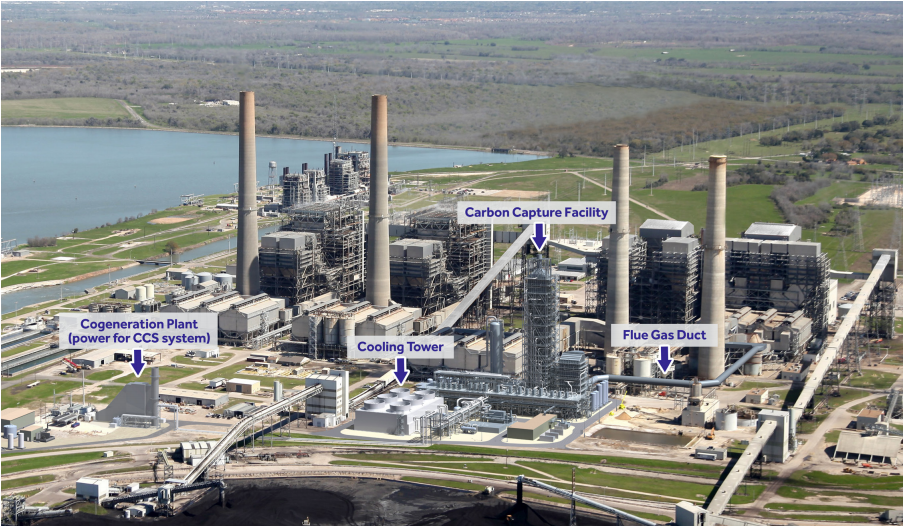
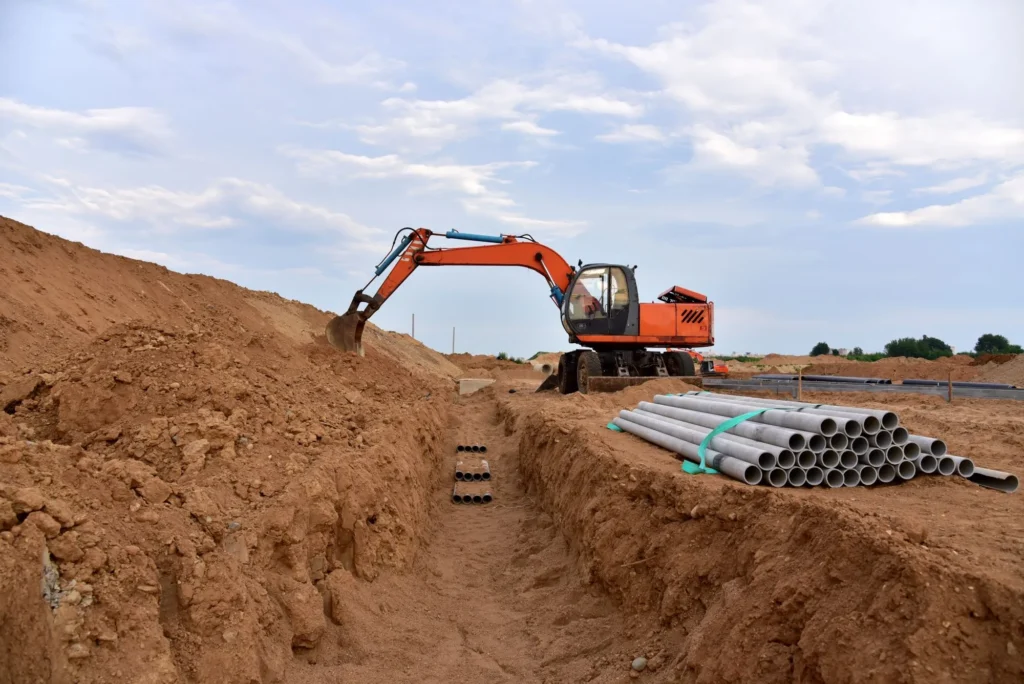
When most people hear about the Peak Cluster carbon capture and storage (CCS) project, they picture a pipe buried under fields and roads. What they don’t see is the rest of it. The pipeline is just one part of a much larger network of industrial buildings and equipment. Most of it sits above ground and stays there for good.
To run, the system needs Above Ground Installations (AGIs), block valve stations (BVSs), access roads, electrical equipment, monitoring kit, security systems and operational compounds. Peak Cluster’s public messaging focuses on the underground pipe. But its own consultation documents confirm that large above-ground sites would stay visible long after construction ends.
Peak Cluster comes with a string of fenced-off industrial sites that will permanently change the countryside.
On this page
- What is an AGI?
- How many AGIs are planned?
- What is a block valve station?
- Why the words matter
- The Coastal AGI / compressor station
- The vent stack
- Landscape and rural impact
- Future expansion
- Conclusion
- Frequently asked questions
What is an AGI?
AGI stands for Above Ground Installation. These are permanent industrial sites. They exist to run, monitor, maintain and control the pipeline.
The consultation documents say AGIs are needed to:
- Monitor how the pipeline is performing
- Measure pressure and flow rates
- Give engineers access for maintenance
- Shut off sections of the pipe
- Move CO₂ into the wider system
- Support the compressors and offshore transfer
A CCS pipeline can’t just be buried and forgotten. It needs permanent, staffed sites to keep it running safely.
How many AGIs are planned?
The consultation documents list several AGIs along the route:
- Hope AGI
- Tunstead AGI
- Cauldon AGI
- Central Feeder AGI
- Connection AGI 1
- Connection AGI 2
- Connection AGI 3
- Coastal AGI
The documents also explain that some “connection AGIs” are there so future carbon capture projects can plug into the network. That means the infrastructure could expand well beyond what is being proposed today.
What is a block valve station?
Block Valve Stations (BVSs) are smaller operational sites dotted along the route. Their job is to shut off sections of the pipeline during maintenance, emergencies or other works.
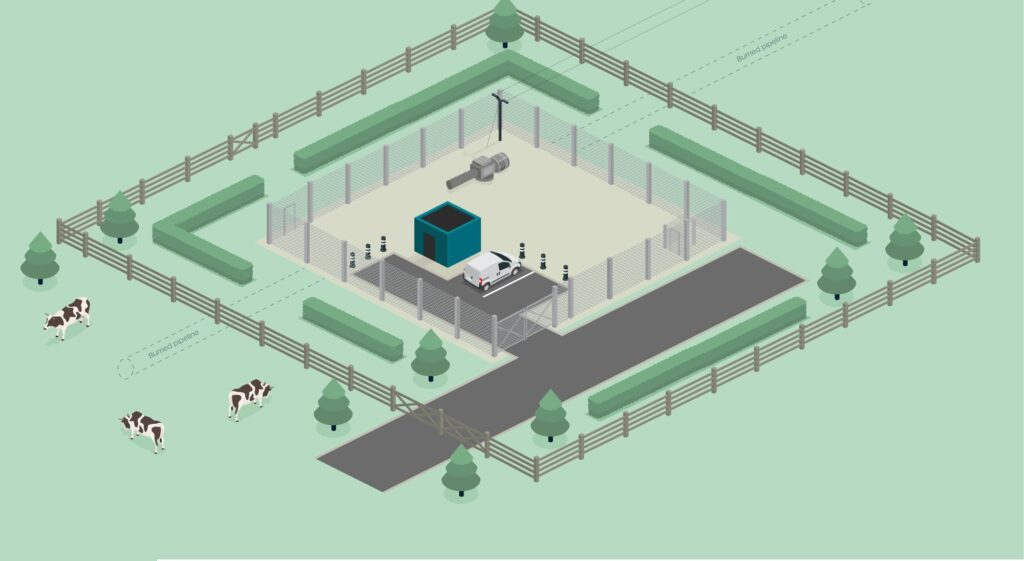
Peak Cluster’s own factsheet says a typical BVS can include:
- Pipeline valves
- Pipework
- Control kiosks
- Electrical equipment
- Access roads
- Security infrastructure
They are smaller than the main AGIs, but they are still permanent industrial structures that stay in the landscape.
Why the words matter
Many residents worry that terms like “AGI” sound technical and harmless, and can hide how big these sites really are.
In practice, some of these installations are actually:
- Industrial compressor stations
- Pipeline operational compounds
- Permanent utility infrastructure
- Industrial processing facilities
Calling a compressor station an “AGI” doesn’t make it smaller. Clear language matters, so communities can see the true scale of what’s being proposed.
The Coastal AGI / compressor station
The Coastal AGI is the largest above-ground site in the project. The consultation documents confirm it would:
- Compress CO₂ before it’s sent offshore
- Monitor and meter CO₂ flows
- Connect the onshore pipeline to offshore infrastructure
- Operate continuously, 24/7
- Include permanent operational and security staffing
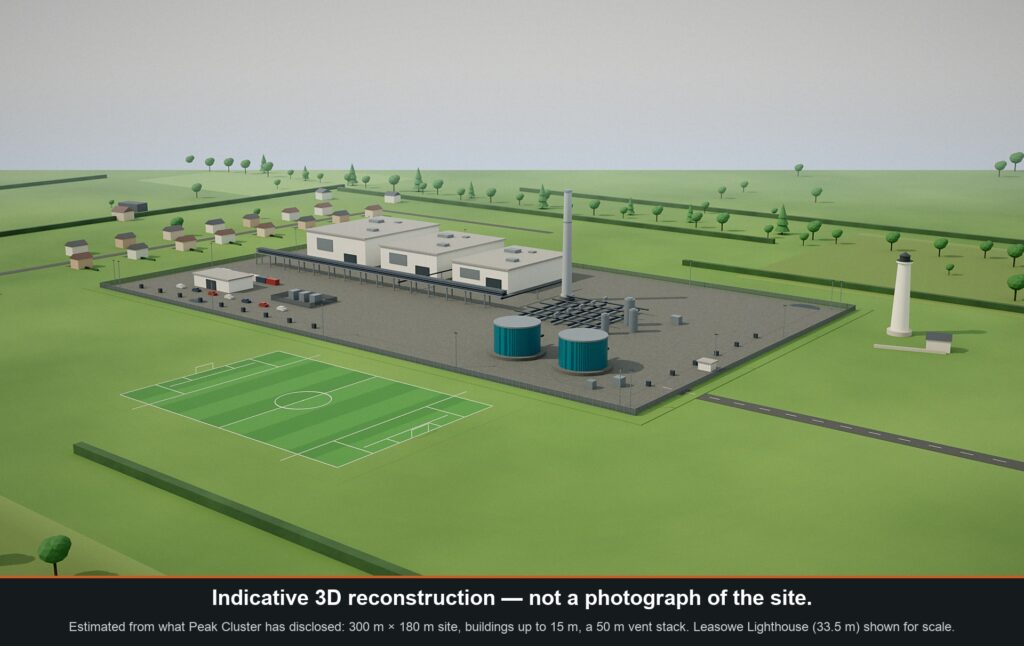
The numbers at a glance
300m × 180m
The site is roughly the size of seven football pitches
15m
Most structures would be about five storeys high
50m
A vent stack could be around the height of Nelson’s Column
The site would also include lighting, roads, parking, industrial equipment and significant compressor and mechanical machinery.
The documents say the Coastal AGI could sit in either the “landfall zone” or the “inland zone”. The exact location is still being decided.
The vent stack
One of the most striking features is the proposed vent stack. It could be up to 50 metres tall, around the height of Nelson’s Column. It would be used during maintenance or emergency venting.
Peak Cluster says the stack would not run continuously. But its presence shows the industrial scale of the project.
Landscape and rural impact
For many residents, the biggest concern is location. Most of the proposed infrastructure sits in open countryside. Little of it is planned for existing industrial estates or brownfield sites.
Once construction ends, the buried sections of pipe may be restored. The AGIs, valve stations and compressor sites stay. For many residents, the building work is not the main worry. These sites turn open countryside into a permanent industrial area.
Future expansion
The consultation material openly flags “space for future expansion” on parts of the layout. It also says some “connection AGIs” exist so future carbon capture projects can plug in.
Residents have every reason to ask: does the current plan show the full, long-term extent of this industrial development?
Conclusion
Peak Cluster is far more than a buried pipeline. The consultation documents describe a network of permanent industrial infrastructure. That network includes AGIs, block valve stations, operational compounds, electrical equipment, compressors, access roads and a large coastal compressor site.
As consultation moves forward, communities deserve clear and honest information about how big this infrastructure is, how it looks and how long it will stay. They need that information to make informed decisions about their local area.